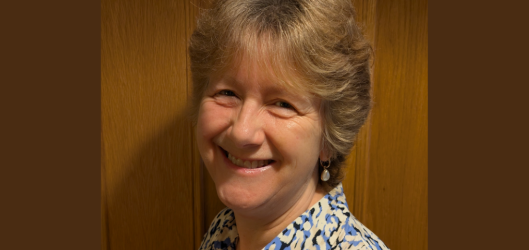
With more than 35 years in HR, Bennett has built a senior leadership career by championing employee development and authentic progression. Passionate about widening opportunities for women, she highlights the sector's accessibility, the value of continuous learning and the importance of confidence, visibility and ambition in achieving long-term career success.
How did you get into the fastener industry?
By a happy accident. Although I had experience in manufacturing and distribution, I had no experience in the tools, fixings or fasteners sector and had never heard of Dormole or any of the Dormole Group companies. Eight years ago, a recruiter I had known for some time approached me completely out of the blue, as he was working to fill an HR Director role that he was sure I would be interested in. He knew that I would relish the opportunity to work for the Dormole Group because of its long-standing family culture, established in 1972, and the importance it has always placed on the values of respect, fairness, integrity and ethics.
What does your day-to-day job involve?
No two days are the same. I am always busy, and the variety ensures I never get bored. I lead the Group Human Resources team in delivering a comprehensive HR service to all companies within the Dormole Group. We support more than 1,200 employees across over 20 sites in the UK and Ireland. One day I may be involved in training, another in recruitment and another in employee relations matters. While much of my role can be carried out from a desk, I also travel frequently to visit our branches, which I enjoy.
As a Group HR Director In a fastener business, how does working within a traditionally male-dominated, Industrial sector differ from HR roles in other Industries?
With over 35 years of HR experience across a wide variety of businesses, I can honestly say that people are people wherever you go, and they share many of the same needs and challenges, regardless of the role they perform or the industry or sector. One difference I have found, however, is that people working in this sector tend to be more down-to-earth and straight-talking and, pardon the pun, they literally call a spade a spade.
What are the biggest changes you have seen In the Industry and company since you started?
I am really pleased to say that many of our female colleagues have become much more confident in their abilities. Several have invested significant time and effort in developing their skills, knowledge and qualifications, and have successfully secured senior roles within our company. The industry as a whole has recognised the benefits of employing more women, and it is refreshing to see so many industry-wide initiatives aimed at encouraging women to consider a career in this sector.
Can you share some of your career highlights and milestones so far?
After completing a BA (Hons) degree in Business Studies, my early career was in sales and customer service. For some time, however, I had wanted to move into human resources (then known as Personnel), so I left my sales job - and the company car - and returned to university to study for a Postgraduate Diploma in Personnel and Development.
After qualifying, I applied for a Personnel Officer role with a local manufacturing company. Over the following years, I progressed my career in human resources, moving companies every five or six years and gaining promotion to Personnel/HR Manager, then to a Group HR management role and later to an HR Director position.
During this time, while working as an HR Manager, I had the opportunity, with company support, to complete a Master's degree in HRD, which involved a significant amount of home study. I also advanced my professional membership of the CIPD to Corporate Fellowship (FCIPD).
Throughout my career, I have been grateful to work in roles that allowed me to introduce policies and procedures to improve the employee experience, enhance working practices and employee benefits and implement learning and development opportunities for all.
What is your favourite thing about the fastener Industry?
Our products are used by both businesses and the general public and are essential to a wide range of activities across multiple industries. What do you think needs to be done to encourage more women to get Involved in the fastener Industry? We need to promote the wide variety of roles available within our business and share as many success stories as possible of women who have built careers in our industry. Social media is likely the most effective way to communicate this message; however, we should also invest time and effort in attending careers fairs to raise awareness of the opportunities available and to demonstrate clearly that we value diversity.
If you could, what piece of advice would you give your younger self as you started working in the fastener Industry?
You do not need to be a construction or building expert to learn about and work with fasteners, fixings and tools. They are products, and like any other product, you can learn about them and develop expertise over time. This industry is essential to the success of many different parts of the economy; its importance should not be underestimated, and it is a privilege to be part of it.
Any final thoughts?
I would urge all women to be confident in their abilities and to focus on realising their ambitions. In doing so, however, I would also encourage them not to imitate their male colleagues, but instead to remain authentic - staying true to themselves and taking opportunities as they arise, whether through training and development (vocational or academic) or by applying for new roles. We also need to become better at highlighting our achievements, asking for career progression and ensuring that the management team is aware of our desire to develop and advance within the company.