The Anochrome Group’s surface coating division Anotec uses manual, automatic and robotic techniques to cater to the needs of multiple industries, while also becoming increasingly active in the nuclear sector.
According to the company, the nuclear industry is shifting from traditional electroplating to modern zinc flake coatings, which could significantly reduce contamination risks, cut maintenance downtime and improve long-term safety.
“Zinc flake coatings are better for the environment, as they do not contain the same levels of hazardous chemicals, such as hexavalent chromium, as electroplating,” said Mark Smith, Assistant General Manager at Anotec. “Nuclear supply chains face extremely strict scrutiny when it comes to contamination risk, so the environmental benefits are certainly a key factor in the switch to zinc flake.”
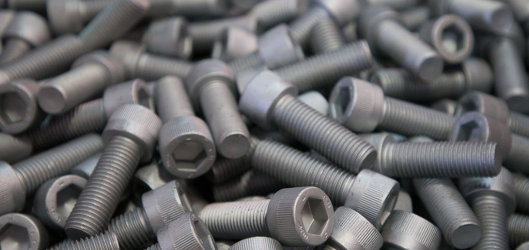
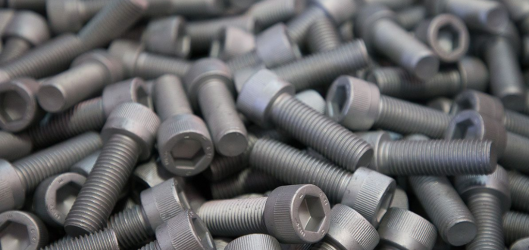
Unlike electroplating, zinc flake carries no risk of hydrogen embrittlement, which is seen as a major benefit. Moreover, maintenance requirements may also be reduced by using zinc flake.
Zinc flake coatings can be applied either as a standalone solution or in combination with a range of topcoats. They protect parts from rust even after mechanical damage, such as stone chipping, thanks to their self-healing properties.
“In a sector where even a tiny fastener failure could have massive consequences, having no risk of hydrogen embrittlement is critical. Maintenance in nuclear power is costly, complex and potentially dangerous. Zinc flake offers exceptional protection, which ultimately means less lifetime intervention,” said Smith.
Anotec uses manual, automatic and robotic techniques to produce high-quality spray coatings, anodising and aluminium passivation, thermal diffusion and electromagnetic compatibility (EMC) coatings for several industry sectors, including energy, rail, defence, nuclear, petrochemical and marine.